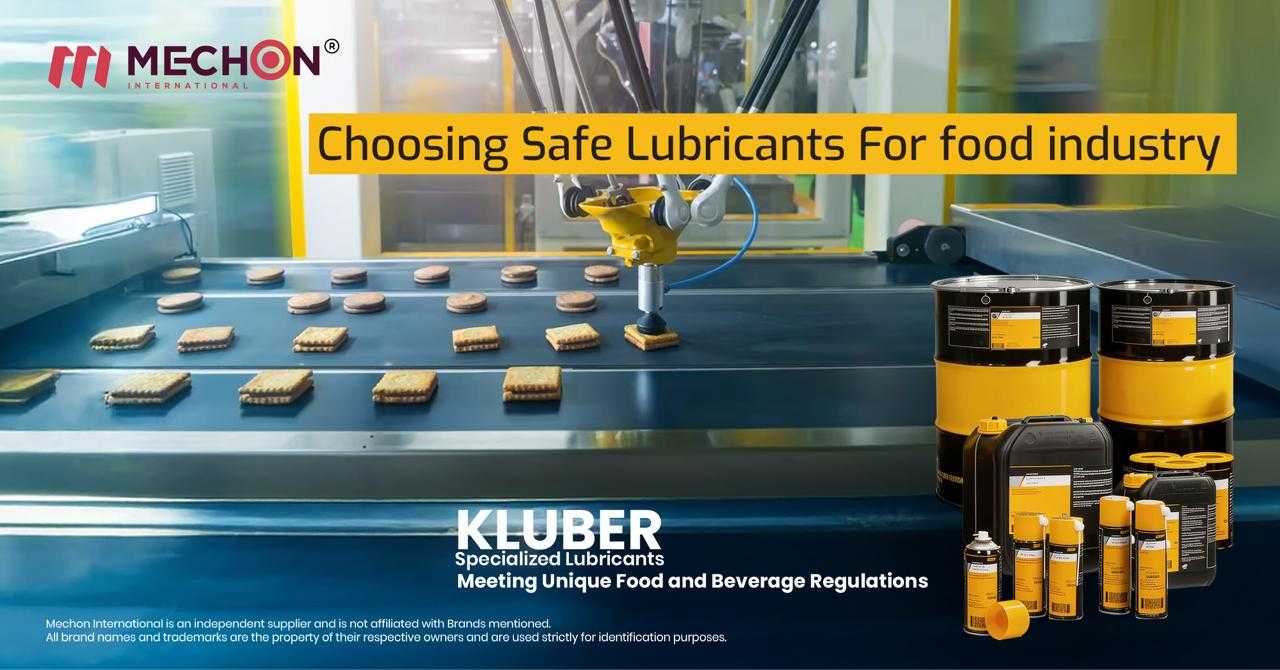
Choosing Safe Lubricants for the Food Industry
When you enjoy a slice of bread, you rarely think about the industrial ovens that baked it. Yet, there is an invisible "ingredient" essential to that loaf: the specialized oil that keeps gears turning. Factories rely on food processing equipment lubrication for simple "friction fighting"—the slippery protection that prevents metal parts from grinding together during high-speed production.
Standard industrial grease works for lawnmowers, but you wouldn't want it near a commercial stand mixer. This creates a challenge regarding "incidental contact"—the rare moment a drop of oil touches the product. To ensure safety, facilities use non-toxic machinery lubricants designed to be tasteless and odorless. Prioritizing consumer health defines what are the lubricants used in the food processing industry.
Navigating the Safety Traffic Lights: How NSF H1, H2, and H3 Ratings Protect Your Food
Ensuring that a drop of lubricant doesn't ruin a batch of cookies requires an impartial referee. That role falls to NSF International, an organization that tests and certifies chemical products to ensure they are safe for public health. Instead of checking every single machine every day, the NSF assigns specific ratings to lubricants based on exactly how close they are allowed to get to your dinner.
Imagine a traffic light system that tells factory managers where each can of oil is allowed to go. The rating on the label acts as a strict permit for that specific zone:
- H1 (Green Light): Safe for incidental food contact. This is for machinery directly above or near food, where a stray drop might accidentally splash onto the product.
- H2 (Yellow Light): Strictly for areas with no possibility of contact. These are used on motors or gears deep inside the machine, far away from the conveyor belt.
- H3 (Red Light): Used for cleaning and rust prevention on hooks or trolleys. These soluble oils must be wiped off completely before the equipment is used again.
- 3H (Special Orange Light): Designed for direct contact. Unlike H1, this is meant to touch food, acting like the non-stick spray you use on a skillet to keep meat from sticking to a grill.
There is a massive difference between an oil that is simply allowed to touch food and one that actually protects the machine from grinding itself down. While these safety ratings tell us where the oil can go, they don't tell us how well it handles extreme heat or freezing cold.
From Slicers to Sprays: Specialized Solutions for Diverse Food Environments
Using butter to grease a car engine would fail instantly; it would burn up immediately. In a food factory, the environment dictates the "recipe" for the oil used just as strictly. Machines operate under intense pressure and varying temperatures, requiring specialized fluids that won't fail when conditions get extreme. For example, heavy lifting equipment relies on strict food grade hydraulic fluid specifications to handle high pressure without leaking toxins. Similarly, the best lubricants for meat processing machinery must remain slippery even in freezing cold storage rooms where standard oils would turn into a solid, sticky gel.
Once the food is processed, it hits the packaging line, which often moves at breakneck speeds. Here, maintenance teams frequently use food-grade aerosol sprays for packaging lines to apply a light, precise mist to chains and guides, preventing paper jams without soaking the cardboard boxes.
To ensure safety across the entire facility, the lubricant must match the environment perfectly:
- The Deep Freeze: Synthetic oils that stay fluid in sub-zero freezers to keep frozen pizza conveyors moving.
- The Hot Zone: High-temperature grease for bakery oven chains that resists drying out or smoking.
- The Packing Line: Quick-drying sprays that reduce friction on labeling machines without leaving a residue.
Matching the right oil to the right machine is the final technical hurdle before the product reaches you.
The Silent Protectors: Why Safe Lubrication is a Promise to the Consumer
Tracing the journey from factory floor to table reveals the precision behind your groceries. The role of food-safe lubricants transforms a hidden industrial process into a reassuring science. Whether in a high-speed bottling line or a massive dough mixer, these specialized lubrication solutions serve as the invisible workforce ensuring efficiency without compromising quality. You can trust that rigorous standards set by agencies like the NSF and FDA are actively preventing lubricant contamination in food production, acting as the industry's vigilant referees.
The next time you pick up a packaged snack, remember that this "invisible ingredient" isn't something to fear, but a testament to modern safety engineering. This knowledge transforms your experience, allowing you to appreciate the complex, clean, and carefully monitored systems working around the clock to keep your dinner safe.
Buy the best food safe, Kluber lubricants from us at Mechon International.
